


How does knitted cardigan provide a comfortable wearing experience in environments with large temperature fluctuations?
Release Time : 2026-03-05
In spring and autumn, or in environments with significant temperature differences between day and night, clothing not only needs to provide adequate warmth but also needs to adapt flexibly to temperature changes. Overly heavy clothing can cause stuffiness, while overly thin clothing is insufficient to ward off the chill. Knitted cardigan, with its soft material, flexible structural design, and excellent breathability, provides a comfortable wearing experience in various temperature environments, making it a practical item in many people's daily wardrobes.
1. Soft Knit Material for a Comfortable Skin-Friendly Experience
Knitted cardigan is typically made from soft and delicate yarns, offering good elasticity and a skin-friendly feel. The knitted structure gives the fabric a certain degree of stretch, allowing it to naturally extend with body movements, thus reducing any feeling of restriction. Compared to some stiffer fabrics, knitted cardigan is softer and more comfortable when worn close to the skin. At the same time, the tiny gaps between the knitted fibers can trap air, and these air layers contribute to insulation, providing warmth even when the temperature is slightly lower. 1. In environments with significant temperature fluctuations, this soft and insulating material helps the body maintain a stable and comfortable state.
2. Cardigan Structure for Flexible Temperature Adjustment
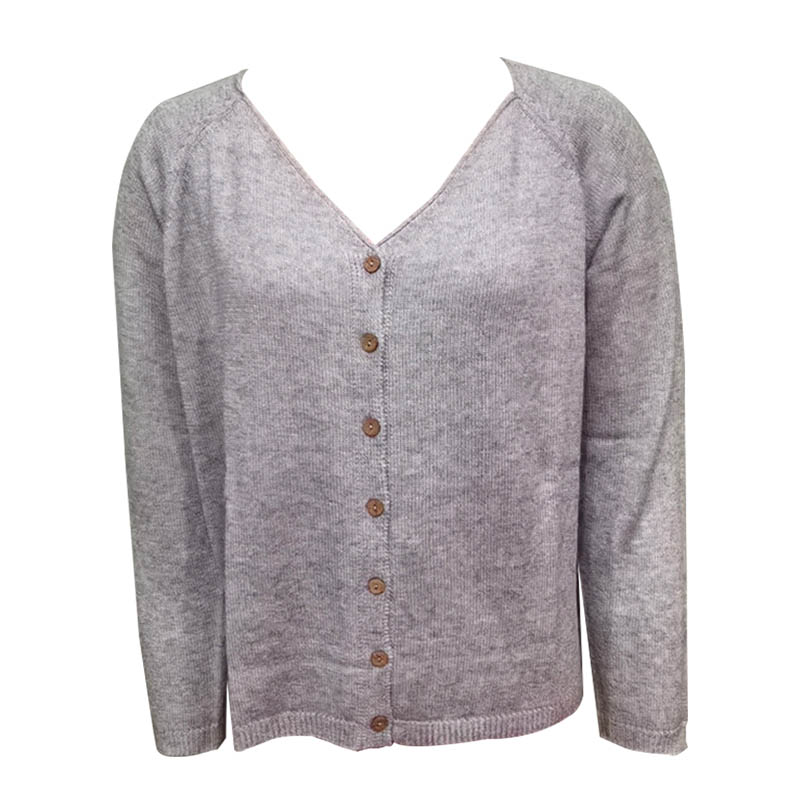
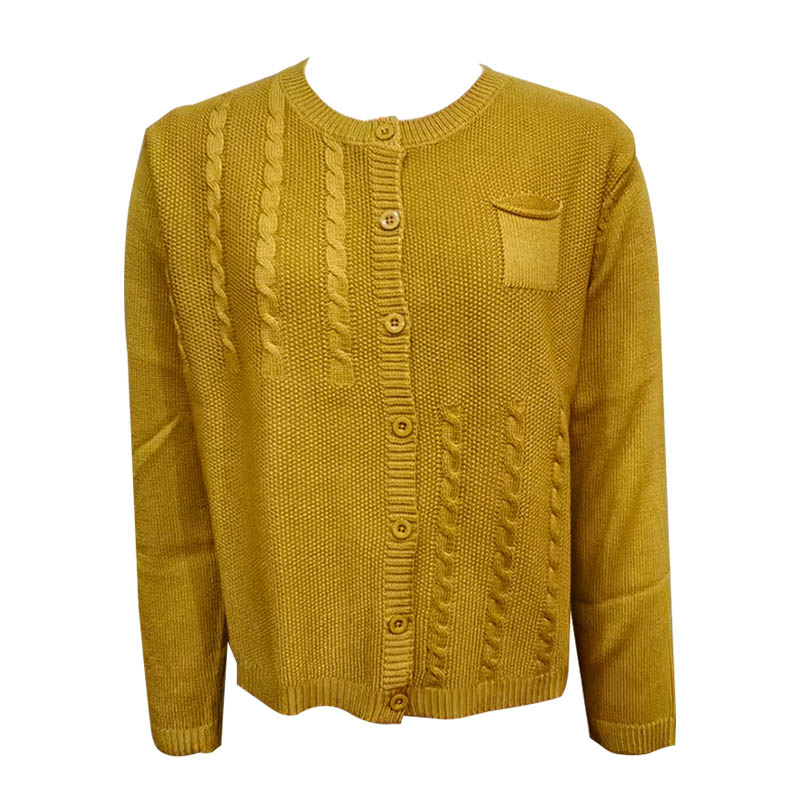
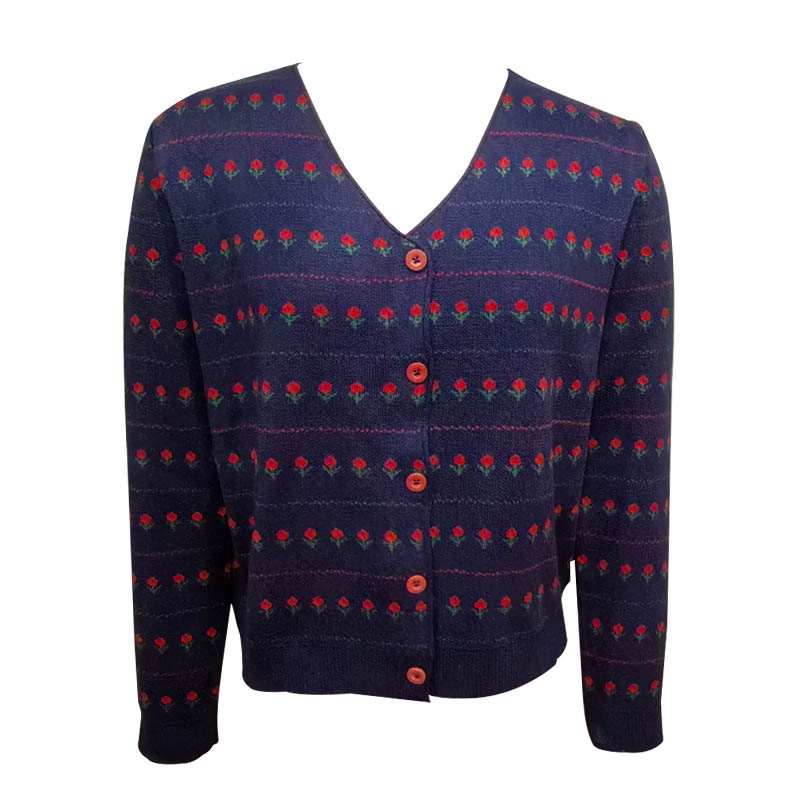
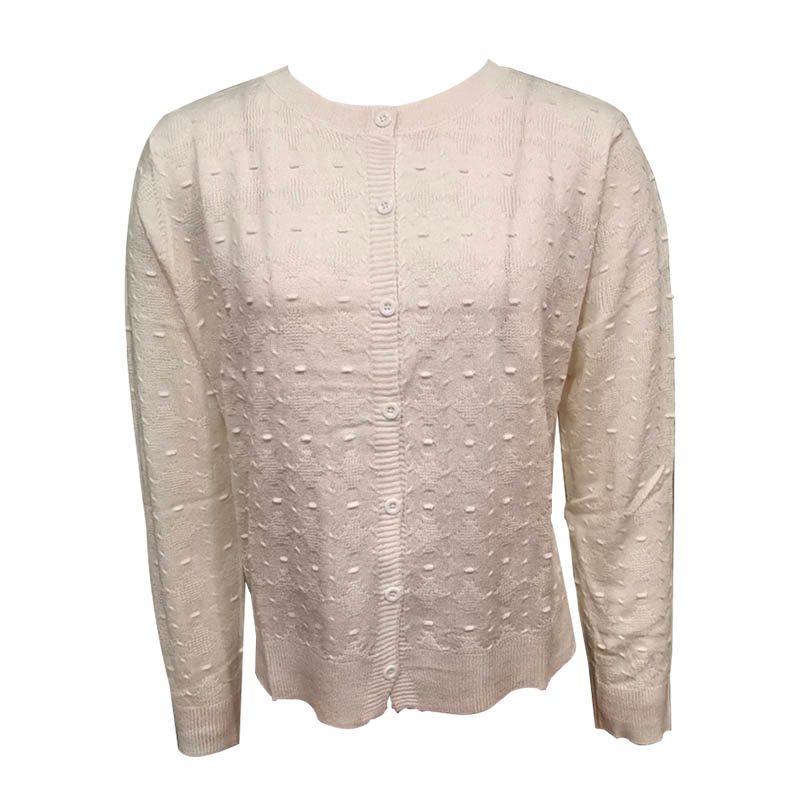
One of the biggest features of knitted cardigans is their front-opening design. With buttons or zippers, the wearer can freely adjust the degree of opening according to the ambient temperature. When the temperature is low, the cardigan can be buttoned up to increase warmth; when the temperature rises or activity levels increase, it can be left open to allow air circulation and reduce stuffiness. This adjustable wearing method makes knitted cardigans particularly practical in situations with large temperature variations. Whether in an office environment where indoor and outdoor environments frequently switch, or in seasons with significant temperature differences between day and night, the cardigan structure helps the wearer quickly adapt to different temperatures.
3. Breathable Fabric Promotes Air Circulation
Knitted fabrics typically have excellent breathability. Due to the many tiny pores in the fabric structure, air can flow naturally inside the garment, helping the body dissipate heat. When the body is active or the temperature rises, the air circulation inside the clothing can carry away some heat and moisture, keeping the body dry and comfortable. Good breathability also reduces discomfort caused by sweat buildup. In environments with large temperature fluctuations, the body sometimes sweats due to activity or environmental changes; the breathable knit structure helps moisture evaporate, thus preventing stuffiness and dampness.
4. Lightweight Design Enhances Everyday Wear Flexibility
Knitted cardigans are typically lightweight, without placing excessive burden on the body. Their lightweight design allows them to be worn whenever needed and easily removed or draped over the shoulders when the temperature rises. This flexibility makes knitted cardigans an ideal choice for dealing with temperature changes. Furthermore, the design of knitted cardigans is usually simple, allowing them to be worn alone or layered under shirts, T-shirts, and other clothing. This versatility not only enhances the practicality of the garment but also adds a sense of layering to the overall look.
5. Balancing Comfort and Everyday Aesthetics
Beyond practicality, knitted cardigans offer high versatility in terms of design. Their simple lines and soft texture blend seamlessly with various clothing styles, creating a natural and appropriate look for both casual and work attire. In seasons with significant temperature fluctuations, a suitable knitted cardigan not only provides adequate warmth but also maintains a neat and stylish appearance, combining functionality with fashion.
Knitted cardigans, with their soft knit material, flexible cardigan construction, excellent breathability, and lightweight design, offer a comfortable and consistent wearing experience in environments with significant temperature variations. They can be flexibly adjusted to temperature changes while maintaining both style and practicality for everyday wear, making them a highly popular clothing item during seasonal transitions.
1. Soft Knit Material for a Comfortable Skin-Friendly Experience
Knitted cardigan is typically made from soft and delicate yarns, offering good elasticity and a skin-friendly feel. The knitted structure gives the fabric a certain degree of stretch, allowing it to naturally extend with body movements, thus reducing any feeling of restriction. Compared to some stiffer fabrics, knitted cardigan is softer and more comfortable when worn close to the skin. At the same time, the tiny gaps between the knitted fibers can trap air, and these air layers contribute to insulation, providing warmth even when the temperature is slightly lower. 1. In environments with significant temperature fluctuations, this soft and insulating material helps the body maintain a stable and comfortable state.
2. Cardigan Structure for Flexible Temperature Adjustment
One of the biggest features of knitted cardigans is their front-opening design. With buttons or zippers, the wearer can freely adjust the degree of opening according to the ambient temperature. When the temperature is low, the cardigan can be buttoned up to increase warmth; when the temperature rises or activity levels increase, it can be left open to allow air circulation and reduce stuffiness. This adjustable wearing method makes knitted cardigans particularly practical in situations with large temperature variations. Whether in an office environment where indoor and outdoor environments frequently switch, or in seasons with significant temperature differences between day and night, the cardigan structure helps the wearer quickly adapt to different temperatures.
3. Breathable Fabric Promotes Air Circulation
Knitted fabrics typically have excellent breathability. Due to the many tiny pores in the fabric structure, air can flow naturally inside the garment, helping the body dissipate heat. When the body is active or the temperature rises, the air circulation inside the clothing can carry away some heat and moisture, keeping the body dry and comfortable. Good breathability also reduces discomfort caused by sweat buildup. In environments with large temperature fluctuations, the body sometimes sweats due to activity or environmental changes; the breathable knit structure helps moisture evaporate, thus preventing stuffiness and dampness.
4. Lightweight Design Enhances Everyday Wear Flexibility
Knitted cardigans are typically lightweight, without placing excessive burden on the body. Their lightweight design allows them to be worn whenever needed and easily removed or draped over the shoulders when the temperature rises. This flexibility makes knitted cardigans an ideal choice for dealing with temperature changes. Furthermore, the design of knitted cardigans is usually simple, allowing them to be worn alone or layered under shirts, T-shirts, and other clothing. This versatility not only enhances the practicality of the garment but also adds a sense of layering to the overall look.
5. Balancing Comfort and Everyday Aesthetics
Beyond practicality, knitted cardigans offer high versatility in terms of design. Their simple lines and soft texture blend seamlessly with various clothing styles, creating a natural and appropriate look for both casual and work attire. In seasons with significant temperature fluctuations, a suitable knitted cardigan not only provides adequate warmth but also maintains a neat and stylish appearance, combining functionality with fashion.
Knitted cardigans, with their soft knit material, flexible cardigan construction, excellent breathability, and lightweight design, offer a comfortable and consistent wearing experience in environments with significant temperature variations. They can be flexibly adjusted to temperature changes while maintaining both style and practicality for everyday wear, making them a highly popular clothing item during seasonal transitions.