


How to optimize the thickness of knitted cardigans in layering to enhance overall layering and harmony?
Release Time : 2026-05-13
In modern clothing layering, knitted cardigans, due to their soft material and excellent layering adaptability, have become a core item in layered looks. Especially in autumn, winter, and early spring, layering is not only for warmth but also an important way to express style layers and visual rhythm. However, if the thickness of the knitted cardigan is not properly balanced, it can easily lead to problems such as bulkiness, unbalanced proportions, or blurred layers.
1. Properly Control Knit Density to Build Basic Layers
The thickness of knitted cardigans primarily depends on the yarn thickness and fabric density. In layering, a "thin inner, medium outer" structural logic is generally adopted. This means choosing a light, close-fitting base layer as the inner layer, with the knitted cardigan serving as the middle layer, using a medium-density knit to create a visual transition. If the knit is too thick, it will compress the space of the inner layer, making the overall look bulky; while if it is too thin, it lacks support and makes it difficult to create clear layers. Therefore, by controlling the stitch length and knit density, a stable basic layered structure can be effectively constructed.
2. Enhancing Visual Layering Through Partitioned Thickness Design
Modern knitting techniques have begun to employ partitioned thickness design, allowing the same cardigan to exhibit different structural densities in different areas. For example, the shoulder and front areas can be appropriately thickened to enhance the structural feel, while lighter knits can be used in the sleeves or back to reduce overall weight. This differentiated structure not only improves wearing comfort but also creates a natural visual transition between layers, making the overall look more three-dimensional.
3. Optimizing Inner and Outer Layer Material Matching to Enhance Harmony
When layering, increased thickness often leads to a bulky appearance. Therefore, the silhouette design of knitted cardigans is crucial. A slightly loose cut combined with a tapered hem can control overall volume while ensuring comfort. Furthermore, V-necks or open plackets visually elongate the neck, reducing heaviness and creating a lighter, more harmonious look.
5. Enhance Layering Through Color and Light/Dark Relationships
The layering of thick and thin structures is not only reflected in physical structure but can also be enhanced through color. In layering, a gradual color scheme from light to dark or from bright to muted is often used to visually separate different layers. For example, a combination of a light-colored inner layer, a neutral-colored knitted cardigan, and a dark outer layer effectively enhances the sense of depth, making the overall look clearer and more three-dimensional.
In conclusion, to optimize the thickness of knitted cardigans in layering to enhance depth and harmony, it's necessary to consider multiple aspects, including knit density control, zoned structure design, material matching, silhouette optimization, and color layering. Only through synergistic optimization of both structural and visual dimensions can a comfortable yet layered look be achieved.
1. Properly Control Knit Density to Build Basic Layers
The thickness of knitted cardigans primarily depends on the yarn thickness and fabric density. In layering, a "thin inner, medium outer" structural logic is generally adopted. This means choosing a light, close-fitting base layer as the inner layer, with the knitted cardigan serving as the middle layer, using a medium-density knit to create a visual transition. If the knit is too thick, it will compress the space of the inner layer, making the overall look bulky; while if it is too thin, it lacks support and makes it difficult to create clear layers. Therefore, by controlling the stitch length and knit density, a stable basic layered structure can be effectively constructed.
2. Enhancing Visual Layering Through Partitioned Thickness Design
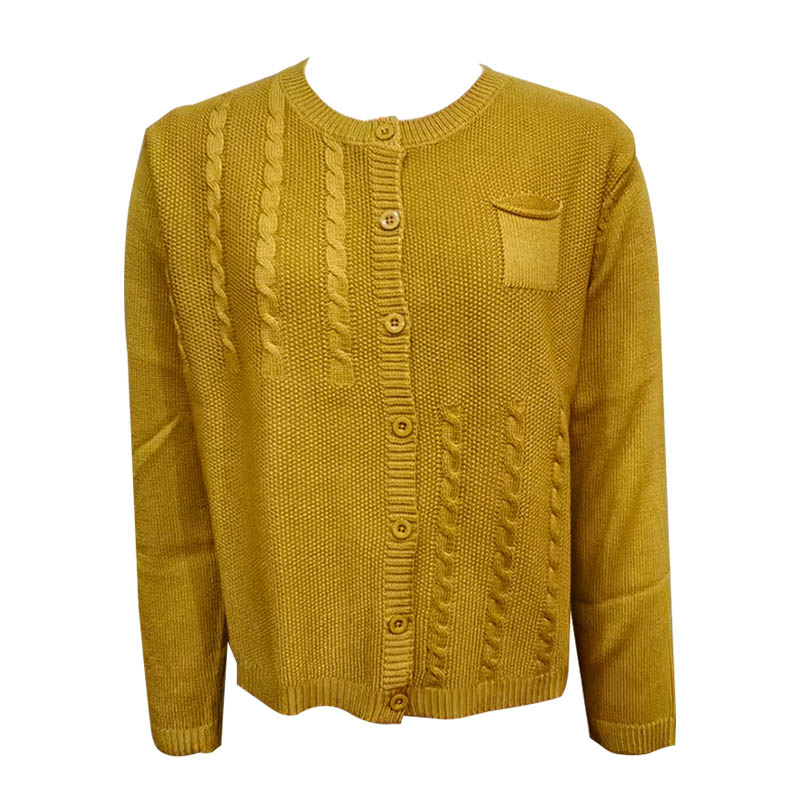
Modern knitting techniques have begun to employ partitioned thickness design, allowing the same cardigan to exhibit different structural densities in different areas. For example, the shoulder and front areas can be appropriately thickened to enhance the structural feel, while lighter knits can be used in the sleeves or back to reduce overall weight. This differentiated structure not only improves wearing comfort but also creates a natural visual transition between layers, making the overall look more three-dimensional.
3. Optimizing Inner and Outer Layer Material Matching to Enhance Harmony
The harmony of layered looks depends not only on the cardigan itself but also closely on the materials of the inner and outer layers. In styling, knitted cardigans are typically paired with shirts, T-shirts, or lightweight turtlenecks. To avoid visual clashes, it's necessary to control the thickness gradient of the materials, making the inner layer lighter and more skin-friendly, the middle layer of knitted cardigan providing soft support, and the outer layer chosen to cover the skin as needed. This progressively thicker structure helps to create clear visual layers.
4. Balance the Volume of Thickness Through Silhouette Design
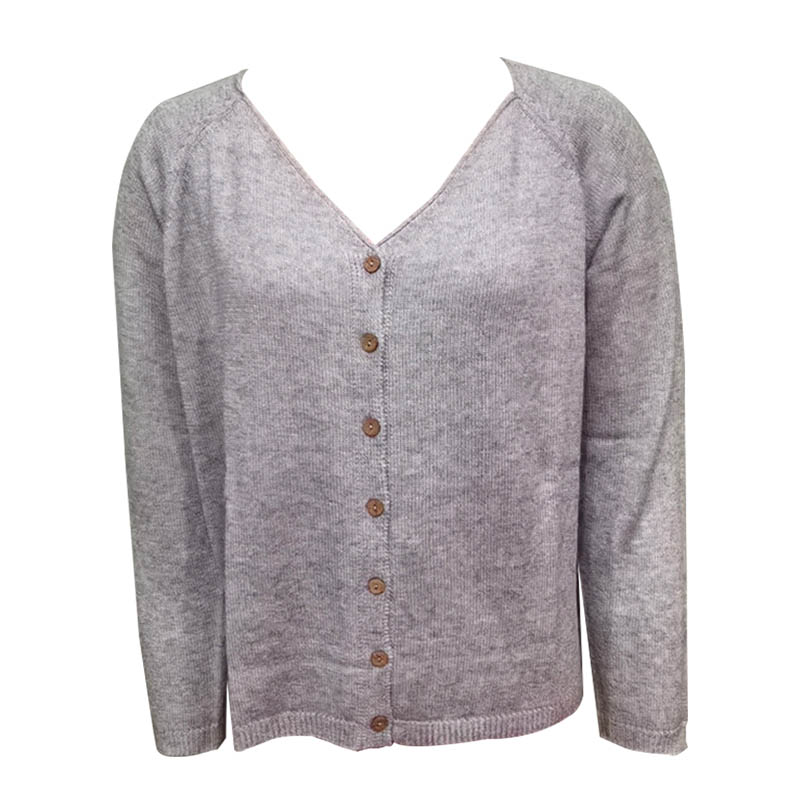
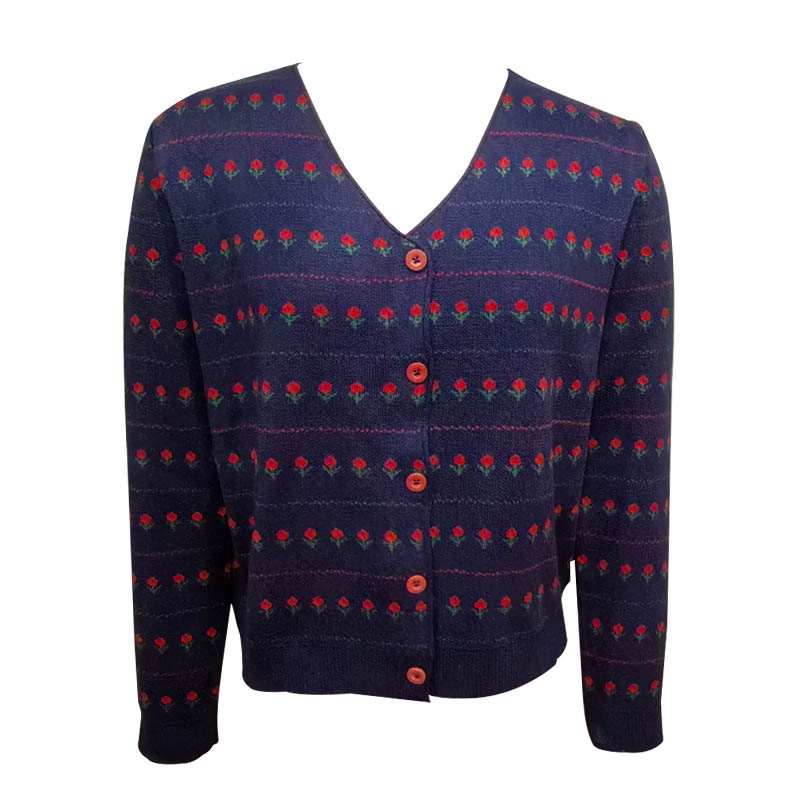
When layering, increased thickness often leads to a bulky appearance. Therefore, the silhouette design of knitted cardigans is crucial. A slightly loose cut combined with a tapered hem can control overall volume while ensuring comfort. Furthermore, V-necks or open plackets visually elongate the neck, reducing heaviness and creating a lighter, more harmonious look.
5. Enhance Layering Through Color and Light/Dark Relationships
The layering of thick and thin structures is not only reflected in physical structure but can also be enhanced through color. In layering, a gradual color scheme from light to dark or from bright to muted is often used to visually separate different layers. For example, a combination of a light-colored inner layer, a neutral-colored knitted cardigan, and a dark outer layer effectively enhances the sense of depth, making the overall look clearer and more three-dimensional.
In conclusion, to optimize the thickness of knitted cardigans in layering to enhance depth and harmony, it's necessary to consider multiple aspects, including knit density control, zoned structure design, material matching, silhouette optimization, and color layering. Only through synergistic optimization of both structural and visual dimensions can a comfortable yet layered look be achieved.