


Which of the following patterns—solid color, stripes, or prints—is most popular in the current trend for knitted cardigan designs?
Release Time : 2026-01-22
Currently, solid colors, stripes, and prints each have their unique trend positioning in knitted cardigan designs. However, considering overall fashion trends and consumer preferences, solid color designs have become the mainstream choice due to their classic versatility and sophisticated feel. Stripes, on the other hand, hold their own with their retro resurgence and practicality, while print designs satisfy individual needs through artistic expression. These three are not entirely opposed; rather, they collectively construct a diverse trend landscape for knitted cardigans through differences in materials, craftsmanship, and styling.
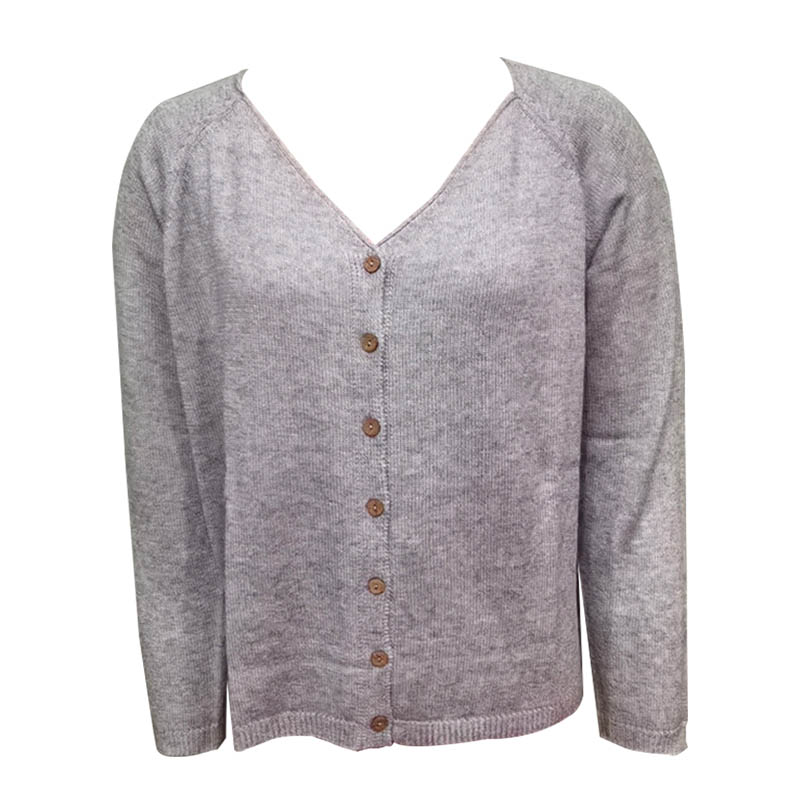
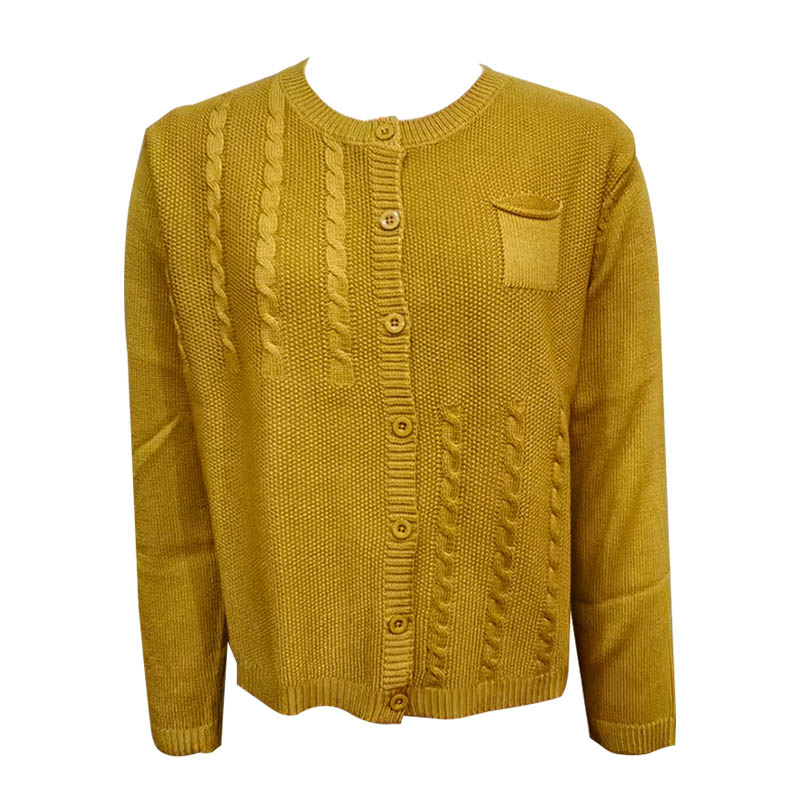
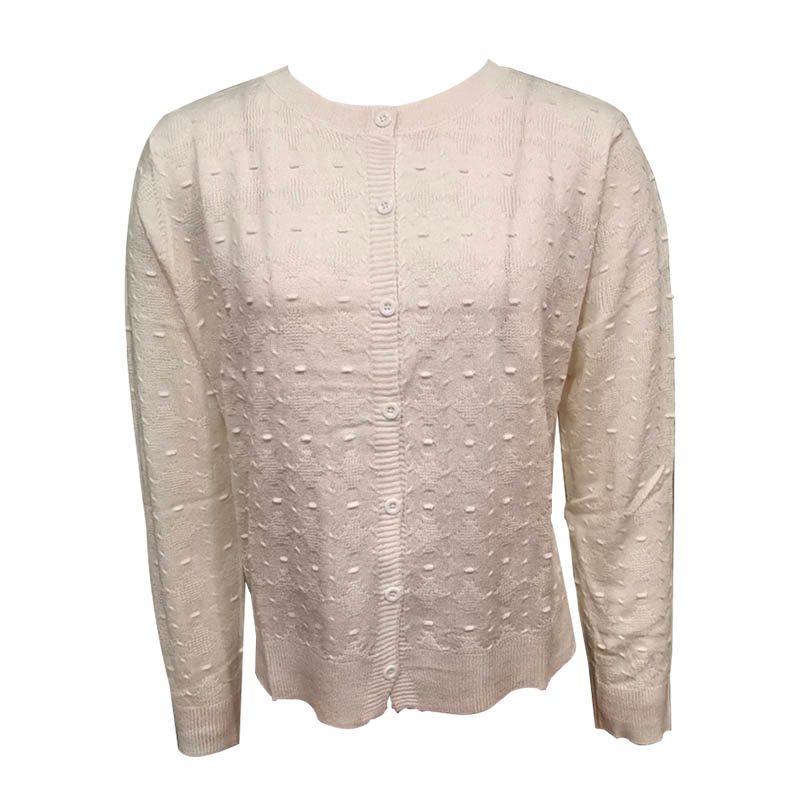
The popularity of solid color knitted cardigans stems from their precise interpretation of "minimalism" and "quiet luxury." Low-saturation Morandi colors (such as off-white, light gray, and hazy blue) have become mainstream. These colors are not only suitable for both professional and casual settings but also showcase the fabric's texture through delicate knitted patterns (such as cable knit and plain knit). For example, solid-color cardigans made of pure wool, with their soft touch and natural drape, are a safe bet for commuters, pairing well with suit pants or jeans. Solid-color cardigans made of mohair or alpaca wool, on the other hand, create a relaxed atmosphere with their plush texture, perfect for weekend casual wear. The core advantage of solid-color designs lies in the "art of negative space"—they don't rely on patterns to attract attention, but rather convey a sense of sophistication through tailoring and the fabric itself. This "understated luxury" perfectly aligns with today's consumer pursuit of "long-term dressing."
The revival of striped knitted cardigans is inextricably linked to the popularity of "retro" and "preppy" styles. Classic Breton stripes (blue and white, red and white) are given a modern twist through variations in width and color remixing. For instance, vertical stripes combined with metal buttons create an urban preppy style; while chunky knit striped cardigans, with their exaggerated stitching and loose silhouette, convey a retro-casual vibe. The allure of stripes lies in their "variation within rules"—seemingly simple line arrangements, yet through color contrasts, stitch density, and silhouette adjustments, they adapt to different body types and styles. For those with a slightly fuller figure, thin striped cardigans can create a slimming effect by visually elongating the body vertically; while tall and slender figures can choose wide stripes or colored stripes to add a sense of layering. Furthermore, the "neutral nature" of stripes makes them a popular element shared by both men's and women's wear, further expanding their market acceptance.
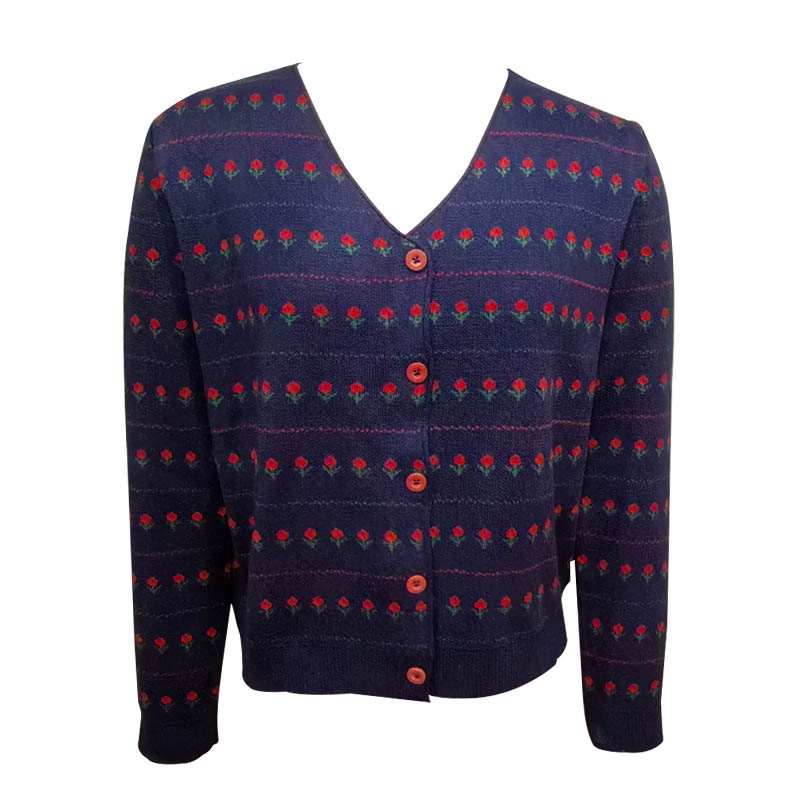
The popularity of knitted cardigans reflects fashion's exploration of "personalized expression" and "artistic narrative." In Spring/Summer 2026, print designs presented two major trends: first, the abstract expression of natural elements (such as flowers, animals, and the ocean), for example, geometric treatment of butterfly patterns or the use of watercolor techniques to create hazy flowers; second, the integration of cultural symbols, such as letters on the back of stripes, and the combination of minimalist looks with pastel colors, conveying an intellectual temperament. The advantage of prints lies in their "storytelling"—a printed cardigan is not just clothing, but also a carrier of the wearer's aesthetics and attitude. For example, a tropical print cardigan can be paired with shorts and a straw bag for a vacation vibe; while a subtle print (such as a black background with white flowers) is suitable for evening events or parties, offering the flexibility of "daywear for the night."
From a craftsmanship perspective, the popularity of these three pattern designs is also inseparable from innovations in knitting technology. Solid-color cardigans enhance their texture through yarn selection (such as glossy silk or metallic crinkle yarn) and variations in knitting techniques (such as flat cable knit or lace-like perforations); striped cardigans achieve precise color matching through yarn-dyed fabrics, avoiding the color bleeding problems that can occur with traditional printing; printed cardigans achieve clear presentation of complex patterns through digital printing technology, while combining sheer materials (such as high-count cotton blends or near-transparent silk) to create a subtly alluring visual effect. These technological advancements have freed pattern design from the limitations of fabric characteristics, making it a free medium for expressing creativity.
In terms of styling, the versatility of solid-color cardigans makes them a wardrobe essential. It can be layered with patterned items such as printed dresses and striped shirts to enhance the overall look through a balance of complexity and simplicity; it can also be paired alone with basic T-shirts and jeans as a finishing touch. Striped cardigans are more suitable for pairing with solid-color items, such as a white turtleneck paired with a blue and white striped cardigan, retaining a retro feel while avoiding pattern clashes. When styling printed cardigans, the principle of "distinction between primary and secondary elements" should be followed—if the cardigan pattern is complex, the inner layer and bottoms should be solid colors or simple stripes; if the cardigan pattern is understated, accessories (such as scarves or earrings) can add highlights.
From a consumer psychology perspective, the popularity of solid-color cardigans reflects consumers' need for "security" and "practicality." In a fast-paced life, a solid-color cardigan that requires no thought about matching can quickly handle various scenarios such as the workplace, dates, and travel, becoming a representative of "lazy fashion." The revival of striped cardigans stems from a desire for "classic reinterpretation"—consumers hope to find a balance between tradition and innovation through the combination of familiar elements (such as stripes) and modern design. The popularity of printed cardigans reflects the younger generation's emphasis on self-expression—they are no longer satisfied with simply "dressing well," but rather hope to convey their personality, attitude, and cultural identity through clothing.
The popularity of solid colors, stripes, and printed knitted cardigans is essentially a response from the fashion industry to "diversified demands." Solid color designs dominate with their sophistication and practicality, stripes attract specific groups with their retro and preppy styles, and prints satisfy individualistic pursuits through artistic expression. These three are not in competition, but rather enrich the trendy language of knitted cardigans through differentiated positioning. For consumers, the choice of pattern design ultimately depends on personal style, body type, and the occasion—after all, the essence of fashion is "dressing yourself," not blindly following trends.