


How Can a Knitted Cardigan Coat Bridge the Gap Between Loungewear and Professional Attire?
Release Time : 2026-04-09
The modern dress code has undergone a seismic shift in recent years, dismantling the rigid barriers that once separated professional attire from comfortable loungewear. In this evolving landscape, the knitted cardigan coat has emerged as a singular, transformative garment. Often referred to as a "Scardigan" or a long-line knit jacket, this piece transcends the limitations of a traditional sweater. It offers the tactile comfort and flexibility of knitwear while providing the structure, coverage, and visual authority of a coat. By occupying the middle ground between a blazer and a hoodie, the knitted cardigan coat allows the wearer to navigate the complexities of the contemporary workplace without sacrificing physical ease or professional credibility.
The secret to this garment's versatility lies in its silhouette. Unlike a standard cardigan, which often relies on a close fit and soft drape, a cardigan coat is defined by its length and weight. Extending typically to the mid-thigh or knee, it mimics the proportions of a trench coat or a long blazer. This length creates a vertical line that visually elongates the body, imparting a sense of formality and polish that shorter knits cannot achieve. It commands space in a room much like a suit jacket does, signaling that the wearer is dressed with intention. Yet, because it is constructed from yarn rather than woven cloth, it lacks the constriction of a tailored jacket, allowing for a range of motion that feels closer to loungewear.
Material selection plays a pivotal role in bridging the aesthetic divide. To function as professional attire, these coats often utilize high-quality, dense knits such as merino wool, cashmere blends, or structured cotton. These fabrics have a substantial "hand-feel" and weight that prevent the garment from looking sloppy or clingy. A heavy-gauge knit holds its shape, creating a clean, architectural profile that reads as sophisticated. Conversely, the inherent nature of knitting—interlocking loops of yarn—provides a degree of stretch and breathability that woven suit fabrics lack. This means the wearer enjoys the thermal regulation and softness of a favorite sweater, effectively bringing the sensory experience of home into the office environment.
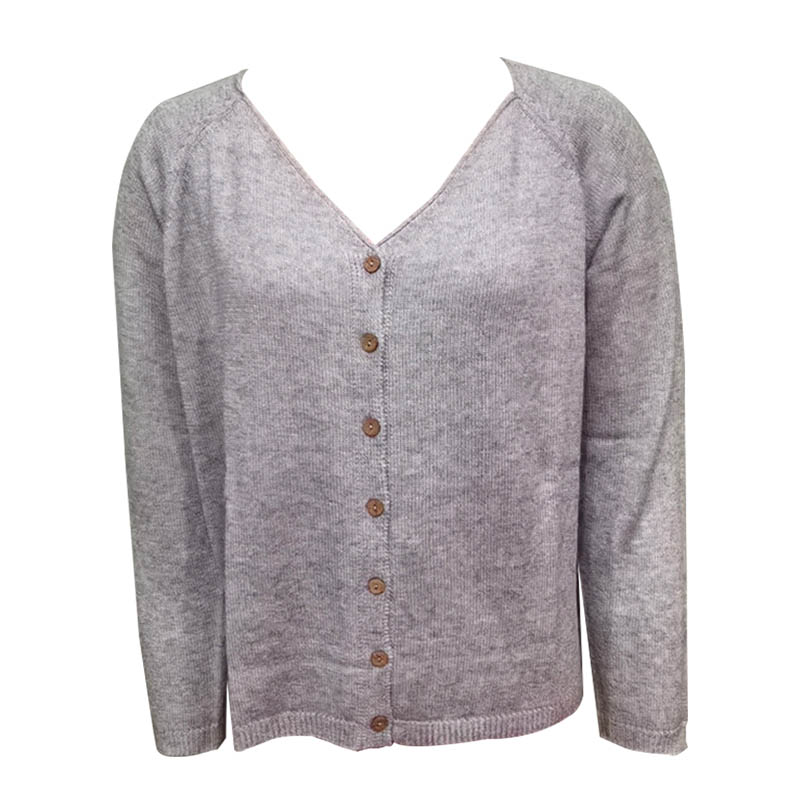
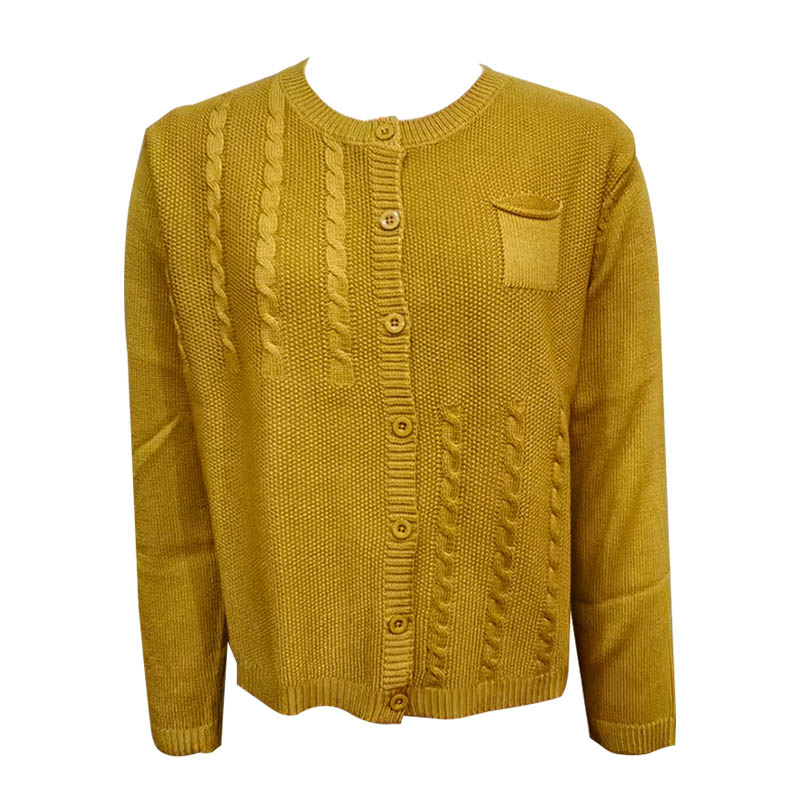
The design details of a cardigan coat further enhance its dual identity. Many modern iterations feature a collarless neckline or a wide shawl collar, which offers a minimalist, sleek look that pairs exceptionally well with crisp dress shirts or high-neck blouses. This openness prevents the bulkiness often associated with layering. Furthermore, the inclusion of functional pockets—often patch pockets or welt pockets—adds a utilitarian element that grounds the piece in reality. It suggests functionality and readiness, traits valued in professional settings, while retaining the hands-in-pockets relaxation of casual wear. The fastening mechanism, whether buttons, zippers, or a tie belt, allows the wearer to modulate their look from open and relaxed to closed and structured depending on the formality of the meeting at hand.
Styling is where the magic of this garment truly comes to fruition. The cardigan coat acts as a neutral canvas that can elevate casual basics or soften formal wear. For a business-casual look, it can be thrown over a simple t-shirt and tailored trousers, instantly upgrading the outfit from weekend wear to office-appropriate attire. Alternatively, it can replace a blazer over a dress, adding a layer of warmth and approachability that a sharp-shouldered jacket might lack. This adaptability is crucial in hybrid work environments where employees may move from a video conference to a coffee run. The cardigan coat ensures that one is never underdressed or overdressed, maintaining a consistent aesthetic of effortless chic.
Moreover, the psychological impact of wearing a cardigan coat should not be underestimated. Clothing affects mood and cognitive processes, a phenomenon known as enclothed cognition. Wearing a stiff, restrictive suit might induce a mindset of rigid formality, while wearing a hoodie might encourage too much relaxation. The cardigan coat strikes a psychological balance. It envelops the wearer in a "soft armor," providing a sense of comfort and security that can reduce stress, while the polished exterior projects competence and authority. It allows the wearer to feel protected and cozy, fostering a mental state that is calm yet focused—ideal for navigating the demands of a professional day.
In the context of sustainability and slow fashion, the cardigan coat also represents a shift away from disposable trends. Because of its timeless design and high utility, it is a garment meant to last for seasons. It replaces the need for multiple specialized items—a light jacket, a heavy sweater, a blazer—consolidating them into one versatile piece. This minimalist approach aligns with modern professional values that prioritize efficiency and quality over excess. The durability of a well-made knit coat means it can withstand daily wear, transitioning seamlessly from the climate-controlled office to the chill of the evening commute.
Ultimately, the knitted cardigan coat is more than just a fashion trend; it is a functional solution to the modern dress dilemma. It acknowledges that professionalism does not require discomfort and that relaxation does not require a lack of style. By merging the structural lines of a coat with the tactile pleasure of a knit, it creates a harmonious garment that respects the demands of the workplace while honoring the human need for comfort. It is the definitive uniform for the modern era, proving that one can indeed have the best of both worlds.