
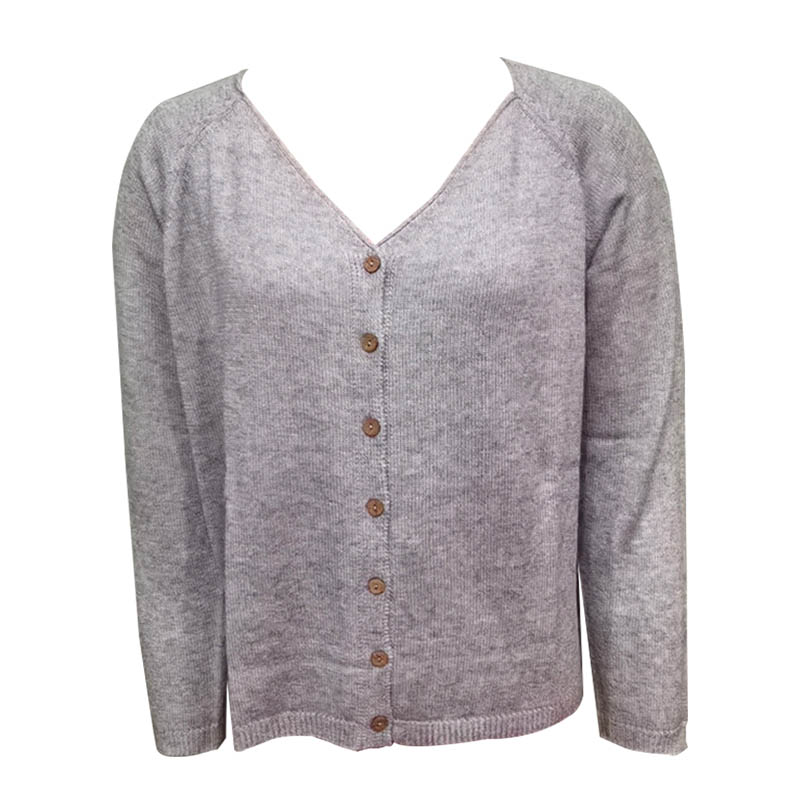
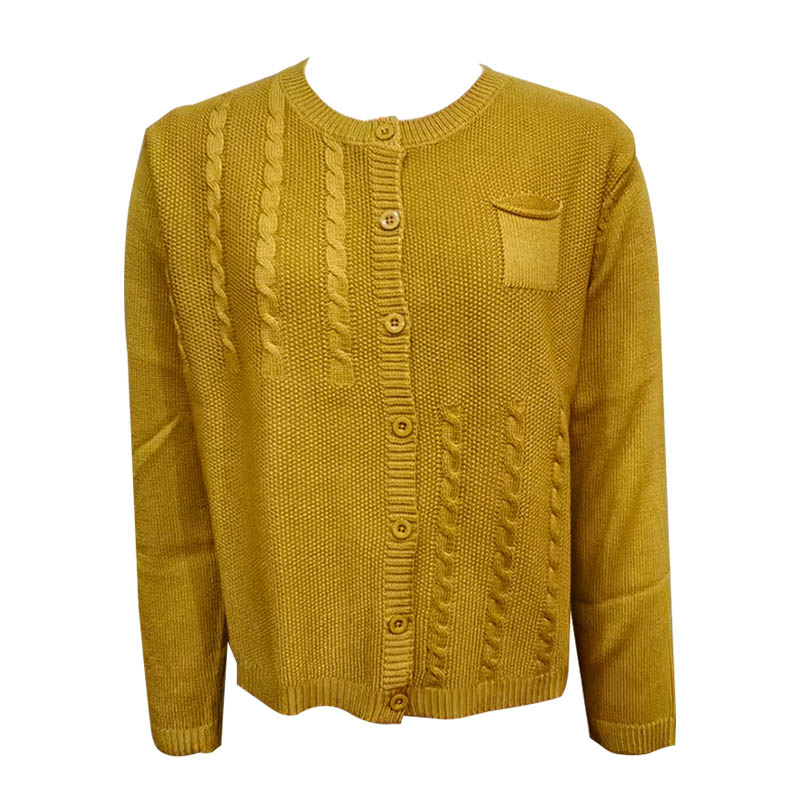
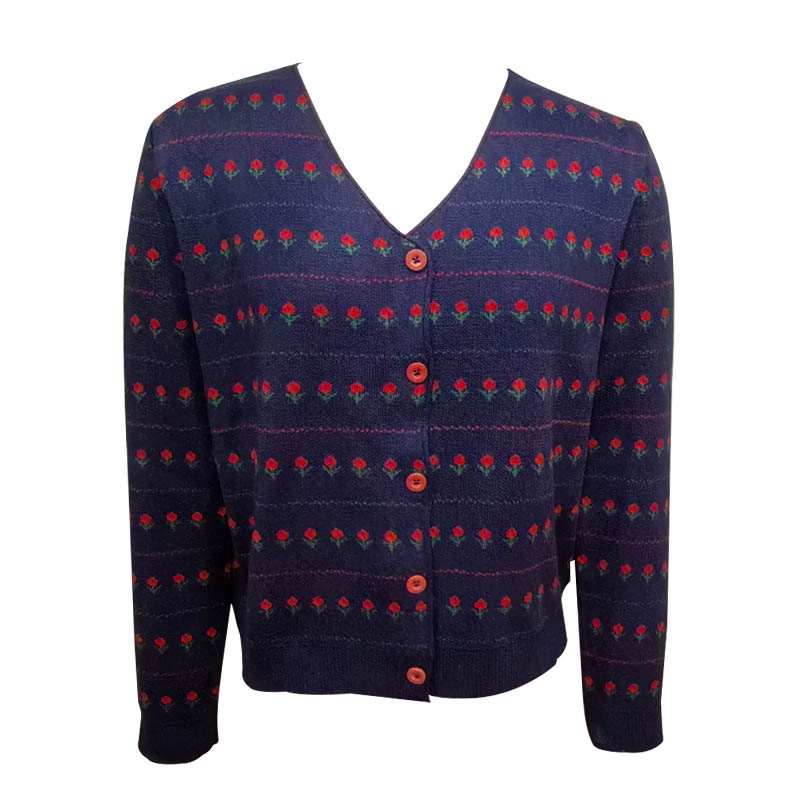
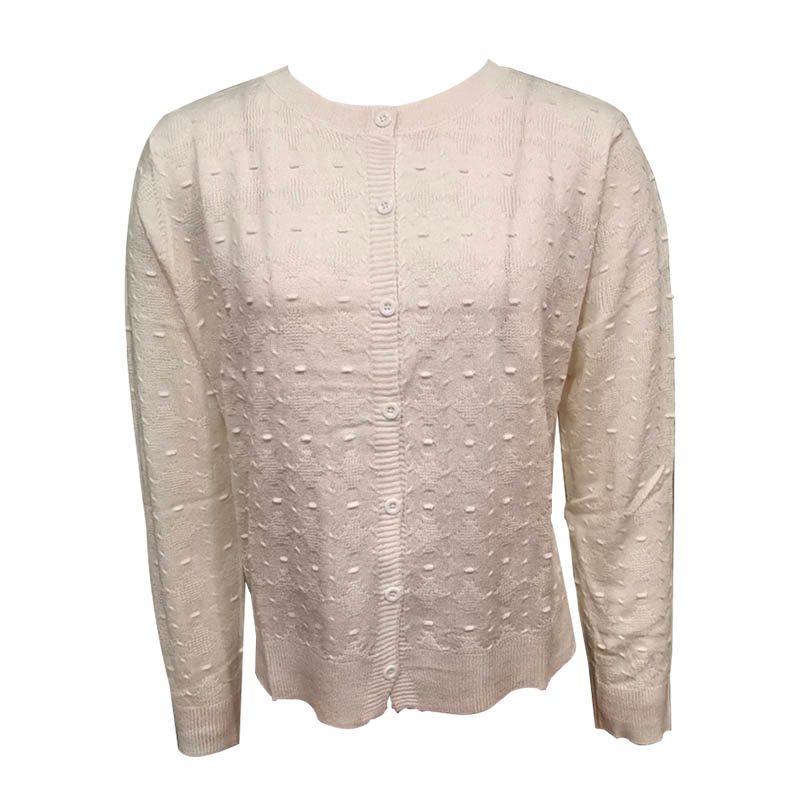


What is the material blend of Knitted Cardigan?
Release Time : 2026-06-03
The material blend of a knitted cardigan serves as the foundational blueprint for its performance, comfort, and aesthetic appeal. Unlike woven garments, which derive their structure from the interlacing of yarns at right angles, knitted cardigans rely on the continuous looping of yarn to create a flexible, stretchable fabric. Because no single fiber possesses every desirable trait, manufacturers strategically combine different materials to achieve a harmonious balance of warmth, softness, durability, and shape retention. Understanding these blends is essential for appreciating the engineering behind high-quality knitwear.
Wool remains the most traditional and widely used component in cardigan blends due to its exceptional natural insulation and moisture-wicking properties. However, pure wool can sometimes be heavy or prone to losing its shape over time. To mitigate this, it is frequently blended with synthetic fibers such as acrylic or polyester. Acrylic mimics the fluffy texture of wool while adding lightweight warmth and resisting moth damage. Polyester introduces structural integrity, ensuring that the cardigan maintains its silhouette after repeated wear and washing. This classic wool-synthetic combination provides an affordable, durable, and easy-to-care-for garment suitable for everyday use.
For luxury cardigans, cashmere and merino wool take center stage. Cashmere, derived from the undercoat of specific goats, offers unparalleled softness and a remarkable warmth-to-weight ratio. Because pure cashmere is delicate and expensive, it is often blended with silk or fine merino wool. The addition of silk introduces a subtle luster and enhances the drape of the fabric, giving the cardigan an elegant, fluid movement. Merino wool, known for its extra-fine fibers, adds elasticity and breathability without the itchiness associated with coarser wools. These premium blends are designed for superior tactile comfort and sophisticated aesthetics.
Natural plant-based fibers also play a significant role in cardigan blends, particularly for transitional weather. Cotton is highly breathable, hypoallergenic, and exceptionally soft against the skin, making it ideal for spring and autumn cardigans. However, cotton lacks elasticity and can stretch out. Blending cotton with linen creates a textured, airy fabric perfect for warm climates, while combining it with elastane or spandex restores the necessary stretch and recovery. Rayon and viscose, which are regenerated cellulose fibers, are frequently incorporated into cotton blends to add a silky hand-feel, improve drape, and enhance moisture absorption.
Innovative functional blends have also emerged to address specific lifestyle needs. Some modern cardigans incorporate nylon or polyamide into their yarn composition to dramatically increase abrasion resistance and prevent pilling, a common issue with softer natural fibers. Additionally, eco-conscious manufacturing has led to blends utilizing recycled polyester or sustainably sourced bamboo viscose. These sustainable alternatives reduce environmental impact while maintaining the softness and thermal regulation expected from traditional cardigans.
The proportions within a blend dictate the final character of the garment. A cardigan composed of eighty percent wool and twenty percent nylon will feel predominantly like wool but will withstand significantly more friction than a pure wool counterpart. Conversely, a blend with a higher percentage of acrylic will be lighter and less expensive, though it may not offer the same level of temperature regulation. The spinning process further influences how these fibers interact; blending them before spinning creates a heathered effect and uniform performance, while plying different yarns together preserves the distinct characteristics of each fiber.
Ultimately, the material blend of a knitted cardigan is a calculated compromise between conflicting physical properties. It transforms individual fibers into a cohesive textile that is greater than the sum of its parts. Whether providing rugged outdoor durability, luxurious indoor comfort, or breathable transitional styling, the specific combination of natural and synthetic fibers determines how the cardigan feels against the skin, how it drapes across the shoulders, and how well it endures the passage of time.
Wool remains the most traditional and widely used component in cardigan blends due to its exceptional natural insulation and moisture-wicking properties. However, pure wool can sometimes be heavy or prone to losing its shape over time. To mitigate this, it is frequently blended with synthetic fibers such as acrylic or polyester. Acrylic mimics the fluffy texture of wool while adding lightweight warmth and resisting moth damage. Polyester introduces structural integrity, ensuring that the cardigan maintains its silhouette after repeated wear and washing. This classic wool-synthetic combination provides an affordable, durable, and easy-to-care-for garment suitable for everyday use.
For luxury cardigans, cashmere and merino wool take center stage. Cashmere, derived from the undercoat of specific goats, offers unparalleled softness and a remarkable warmth-to-weight ratio. Because pure cashmere is delicate and expensive, it is often blended with silk or fine merino wool. The addition of silk introduces a subtle luster and enhances the drape of the fabric, giving the cardigan an elegant, fluid movement. Merino wool, known for its extra-fine fibers, adds elasticity and breathability without the itchiness associated with coarser wools. These premium blends are designed for superior tactile comfort and sophisticated aesthetics.
Natural plant-based fibers also play a significant role in cardigan blends, particularly for transitional weather. Cotton is highly breathable, hypoallergenic, and exceptionally soft against the skin, making it ideal for spring and autumn cardigans. However, cotton lacks elasticity and can stretch out. Blending cotton with linen creates a textured, airy fabric perfect for warm climates, while combining it with elastane or spandex restores the necessary stretch and recovery. Rayon and viscose, which are regenerated cellulose fibers, are frequently incorporated into cotton blends to add a silky hand-feel, improve drape, and enhance moisture absorption.
Innovative functional blends have also emerged to address specific lifestyle needs. Some modern cardigans incorporate nylon or polyamide into their yarn composition to dramatically increase abrasion resistance and prevent pilling, a common issue with softer natural fibers. Additionally, eco-conscious manufacturing has led to blends utilizing recycled polyester or sustainably sourced bamboo viscose. These sustainable alternatives reduce environmental impact while maintaining the softness and thermal regulation expected from traditional cardigans.
The proportions within a blend dictate the final character of the garment. A cardigan composed of eighty percent wool and twenty percent nylon will feel predominantly like wool but will withstand significantly more friction than a pure wool counterpart. Conversely, a blend with a higher percentage of acrylic will be lighter and less expensive, though it may not offer the same level of temperature regulation. The spinning process further influences how these fibers interact; blending them before spinning creates a heathered effect and uniform performance, while plying different yarns together preserves the distinct characteristics of each fiber.
Ultimately, the material blend of a knitted cardigan is a calculated compromise between conflicting physical properties. It transforms individual fibers into a cohesive textile that is greater than the sum of its parts. Whether providing rugged outdoor durability, luxurious indoor comfort, or breathable transitional styling, the specific combination of natural and synthetic fibers determines how the cardigan feels against the skin, how it drapes across the shoulders, and how well it endures the passage of time.